
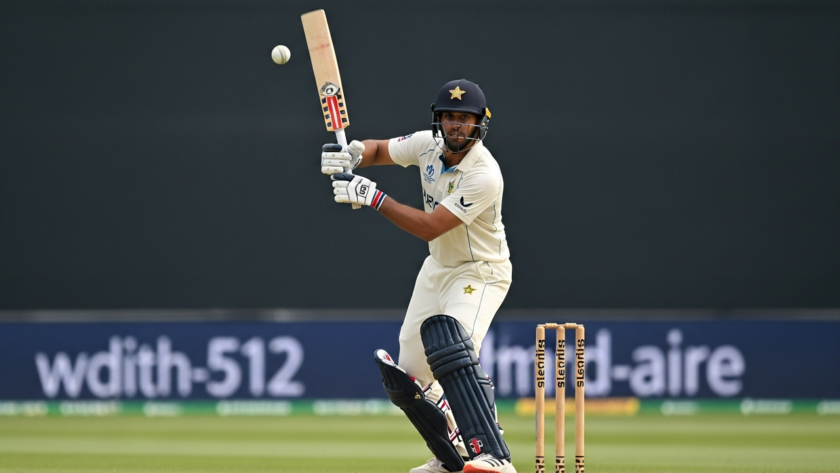
The top catcher market represents one of cricket’s most specialized fielding props, where bettors predict which player will take the most catches during a match. Unlike top wicket-taker markets that focus on bowling performance or top batsman props that track runs scored, top catcher betting isolates fielding excellence as the primary outcome. This market differs significantly from broader “top fielder” options that might include run-outs or stumpings, making it a pure catching contest.
In the Indian cricket betting landscape, top catcher markets gain particular relevance during IPL seasons, international T20 series, and high-profile ODI contests where bookmakers offer comprehensive player performance options. The combination of India’s aggressive batting styles, varied venue conditions, and tactical field placements creates distinct catching patterns that experienced bettors can analyze for value. This guide focuses on data-driven evaluation techniques and practical decision-making rather than speculative highlight-reel predictions.
What top catcher betting means in Indian cricket markets
Bookmakers typically list this market under various names including “top catcher,” “most catches,” “top fielder – catches only,” or within broader player performance sections. The terminology can vary between operators, but the core concept remains consistent: identifying which individual player will complete the highest number of successful catches during the specified match period. Some bookmakers separate this from other fielding actions, while others group it under general fielding props.
Settlement rules become crucial given the precision required in fielding statistics. Most operators settle based on official scorecards and match reports, counting only completed catches that contribute to dismissals. Dropped catches, near-misses, and catches taken during abandoned passages of play typically don’t count toward the final tally.
The availability of top catcher markets varies significantly across match types and tournament contexts. IPL fixtures generally offer the widest selection due to high betting volumes, while bilateral series and domestic matches may have limited options depending on the bookmaker’s focus on Indian cricket markets.
Understanding these market mechanics helps bettors avoid confusion when comparing odds across platforms and ensures proper expectation setting for settlement timing and outcome determination.
How the top catcher market is settled
Official scorecards serve as the primary reference point for settlement, with bookmakers typically confirming results within hours of match completion. The timing depends on when official statistics become available through cricket governing bodies or recognized data providers.
Pre-match and in-play rules often contain subtle differences regarding super overs, weather interruptions, and minimum overs requirements. Most operators require a substantial portion of the match to be completed before settling positively, though specific thresholds vary between bookmakers.
Tied outcomes where multiple players take the same number of catches usually result in dead-heat rules being applied, with winning stakes divided proportionally among tied participants. This settlement approach makes understanding the competitive landscape important for proper value assessment.
Top catcher vs top wicket-taker and other player props
Fielding markets operate with fundamentally different dynamics compared to bowling and batting props. While top wicket-taker markets correlate strongly with bowling workload and conditions, top catcher outcomes depend on teammate bowling performance, opposition batting styles, and tactical field placements beyond individual control.
This reduced individual agency makes top catcher betting a lower-liquidity market with typically softer pricing compared to mainstream player props. The bookmaker dependency increases because fewer bettors possess specialist knowledge of fielding patterns and catching statistics.
The volatility profile also differs significantly, as a single collapse or aggressive batting period can drastically shift catch distribution, while bowling and batting markets tend to develop more predictably across full innings.
Best match formats and Indian tournament contexts
- IPL matches offer the most comprehensive top catcher markets with competitive odds across multiple bookmakers
- International T20Is provide good market availability, especially for high-profile bilateral series involving India
- ODI cricket generates moderate catch opportunities but with less predictable field placement patterns
- Test matches rarely feature top catcher markets due to extended timeframes and variable session dynamics
- Domestic tournaments like Syed Mushtaq Ali Trophy occasionally offer these props during knockout stages
- Women’s cricket markets are expanding but remain limited for specialist fielding props across most bookmakers
Why T20 and IPL are usually the most usable formats
The accelerated pace of T20 cricket creates more aerial shots and boundary attempts, directly increasing catch opportunities compared to longer formats. Batsmen face pressure to score quickly, leading to mistimed shots and edges that translate into fielding chances for well-positioned players.
IPL team compositions typically feature strong fielding units with specialist boundary riders and slip fielders, creating clearer role definitions that help bettors predict catch distribution. The tournament’s tactical emphasis on fielding excellence means teams invest in optimal positioning and catching specialists.
Additionally, IPL venues and conditions are well-documented, allowing for better analysis of boundary sizes, pitch behavior, and environmental factors that influence catching frequency throughout matches.
Key statistics to evaluate a likely top catcher
Building an effective player profile requires combining historical catching data with match-specific factors that influence fielding opportunities. Individual statistics provide the foundation, but contextual factors often determine whether those skills translate into actual chances during a specific match.
Venue characteristics, weather conditions, and opponent batting tendencies create the framework within which individual fielding abilities operate. Successful top catcher betting integrates both player-level and match-level analysis to identify situations where catching opportunities align with capable fielders.
| Metric | Why it matters | How to use it |
|---|---|---|
| Catches per innings | Shows consistent involvement in fielding opportunities | Compare seasonal averages across similar match types |
| Primary fielding position | Determines exposure to different types of chances | Match position to opponent batting weaknesses |
| Catch success rate | Indicates reliability when opportunities arise | Weight recent performance more heavily than career averages |
| Team bowling style match | Affects field placement and catch opportunity distribution | Identify pace vs spin bowling plans |
| Opposition shot patterns | Predicts where catching chances are most likely | Focus on aerial shot percentages and dismissal methods |
| Venue boundary dimensions | Influences risk-taking behavior and fielding positions | Smaller boundaries favor deep fielders, larger ones favor ring positions |
The integration of these metrics requires understanding how they interact rather than evaluating them in isolation. A player with excellent hands might offer little value if positioned in areas where catches rarely occur, while aggressive bowlers might create opportunities for ring fielders even if their usual stats don’t stand out.
Player-level indicators that matter most
- Consistent involvement rate across multiple innings rather than occasional highlight performances
- Adaptability to different fielding positions based on match situation and bowling plans
- Performance under pressure situations, particularly during powerplays and death overs
- Physical attributes that suit specific catch types, such as reach for slip catches or speed for boundary work
- Team role stability, with established fielders having clearer opportunity patterns than rotating options
- Recent form trends, as confidence and timing significantly impact catching success
Match-level indicators that affect catch volume
Pitch conditions directly influence batting approaches and dismissal methods, with gripping surfaces encouraging more aggressive shots and higher catch rates. Fast, true pitches often reduce catching opportunities as batsmen time the ball more cleanly, while variable bounce increases mistimed shots.
Game situation factors like target pressure, required run rates, and overs remaining create different phases where catch opportunities spike. Chase scenarios particularly favor fielders in boundary positions as batsmen attempt risky shots under pressure.
Weather elements including dew, wind patterns, and light conditions affect both ball behavior and fielding difficulty, making evening matches and dewy conditions generally less favorable for consistent catching across the field.
Odds comparison and value identification
Comparing top catcher odds across multiple bookmakers reveals the market’s efficiency level and highlights potential value opportunities. Given the specialist nature of this market, pricing discrepancies occur more frequently than in mainstream betting options.
Implied probability calculations become essential for identifying mispriced selections, as seemingly small odds differences translate into significant value variations in low-margin markets. The limited liquidity means even minor edge identification can provide meaningful long-term advantage.
| Bookmaker | Market Type | Price | Risk Notes |
|---|---|---|---|
| Operator A | Top Catcher | 6.50 | Standard settlement rules |
| Operator B | Most Catches | 7.25 | Dead heat rules apply |
| Operator C | Top Fielder – Catches | 5.80 | Minimum overs requirement |
| Operator D | Player Catches Over/Under | 1.95 | Alternative market structure |
| Exchange Platform | Top Catcher | 8.40 | Commission on winnings |
How to spot mispriced top catcher odds
Market softness often emerges around team news announcements, particularly when fielding positions change due to last-minute lineup adjustments or tactical shifts. Bookmakers may not immediately adjust odds to reflect these changes, creating temporary value windows for informed bettors.
Player naming uncertainty represents another common source of mispricing, especially when similar names or squad rotation creates confusion in market setting. International players with multiple name variations sometimes receive incorrect odds due to identification errors.
The low betting volume in these markets means that sharp money movement is often delayed, allowing observant bettors to capitalize on obvious pricing errors before corrections occur.
Lineup, field placement, and captaincy factors
- Verify confirmed playing XI and identify any late changes that affect fielding positions
- Analyze bowling combination to predict primary field placements and slip cordon requirements
- Consider captain’s tactical tendencies regarding aggressive vs defensive field settings
- Evaluate opposition batting lineup to anticipate where catch opportunities will concentrate
- Factor in toss outcome and its impact on bowling plans and field placement strategies
- Review venue-specific fielding patterns and how teams typically arrange their fielders
Reading the final XI before placing a bet
Team selection announcements often reveal crucial information about likely fielding arrangements, particularly when specialist fielders replace weaker options or when bowling combinations suggest specific tactical approaches. Players listed in key positions may have altered fielding responsibilities compared to their usual roles.
Toss outcomes significantly impact fielding value, as bowling first often favors slip fielders and close catchers, while chasing scenarios typically benefit boundary riders and deep fielders. The timing of betting relative to toss results can dramatically affect value assessment.
Early betting on uncertain lineups carries substantial risk, as player role changes can completely invalidate pre-match analysis and render odds meaningless once actual positions are confirmed.
How captaincy and bowling changes alter catch chances
Aggressive captains who maintain attacking field settings create more catch opportunities through slip cordons and close fielders, while defensive approaches spread the field and reduce individual catching chances. Captain personalities significantly influence these tactical decisions.
Bowling plan execution determines where fielders are positioned throughout different phases of play, with pace-heavy attacks favoring different catching positions compared to spin-dominated strategies. Understanding team bowling philosophies helps predict field placement patterns.
Some captains create repeat opportunities for strong fielders by consistently placing them in high-probability positions, while others rotate fielding assignments more democratically, spreading catch chances across the team.
In-play angles for top catcher betting
Live betting windows emerge during specific match phases where catch likelihood increases substantially. Early wickets often signal aggressive batting approaches as teams seek to recover momentum, creating elevated catch opportunities for well-positioned fielders.
Powerplay pressure situations generate mistimed shots and edges that favor close fielders and boundary riders, while middle-overs consolidation phases typically reduce catch frequency across all positions. Understanding these rhythms helps identify optimal entry points for live betting.
Death overs scenarios create unique catching dynamics as batsmen attempt high-risk shots under pressure, favoring deep fielders and players positioned for mishit catches rather than regulation dismissals.
Cash-out discipline becomes crucial when early chances are dropped or when a favored player faces reduced opportunities due to tactical changes. Avoiding emotional reactions to single incidents helps maintain profitable long-term approach to these volatile markets.
When in-play pricing becomes attractive
Momentum shifts following batting collapses or aggressive phases often create mispriced odds as bookmakers struggle to adjust quickly to changing catch probability distributions. Target-setting scenarios particularly affect deep fielder values as required run rates influence shot selection.
Live odds can be more efficient due to real-time information incorporation, but they remain exploitable when tactical changes aren’t immediately reflected in pricing. Weather interruptions and resumption scenarios also create temporary value opportunities.
The key advantage in live betting lies in observing actual field placements and batting approaches rather than predicting them, allowing for more accurate assessment of individual player catch prospects as matches develop.
Bankroll management and betting discipline for niche props
Top catcher markets require specialized bankroll management due to their inherent volatility and limited liquidity characteristics. The unpredictable nature of fielding opportunities means that even well-researched selections can fail due to factors beyond analytical prediction.
Portfolio thinking becomes essential, treating individual top catcher bets as part of a broader cricket betting strategy rather than standalone propositions. The variance in these markets makes short-term results poor indicators of long-term approach quality.
| Approach | Benefit | Drawback |
|---|---|---|
| Fixed fractional staking | Controls risk exposure across multiple bets | May underutilize strong value opportunities |
| Kelly criterion adaptation | Optimizes stake size based on edge | Requires accurate probability estimation |
| Minimum bet sizing | Preserves capital during learning phase | Limits profit potential from early success |
| Stop-loss discipline | Prevents catastrophic loss scenarios | May interrupt positive variance periods |
| Diversified betting portfolio | Reduces dependence on single market type | Dilutes focus from specialist knowledge |
Strict record-keeping becomes especially important in low-volume markets where statistical significance requires larger sample sizes to evaluate approach effectiveness accurately.
Staking approach for low-liquidity player markets
- Use fractional bankroll allocation, typically 1-2% maximum per individual top catcher bet
- Avoid chase betting after losses, as variance can create extended losing streaks even with sound analysis
- Monitor price movements closely, as team news can rapidly shift odds in thin markets
- Set session limits for specialty prop betting to prevent overexposure to volatile outcomes
- Maintain separate tracking for fielding prop performance versus other cricket betting results
- Consider reduced stake sizes during learning phases while developing market expertise
Common mistakes bettors make with fielding props
Overrating star players who rarely occupy catch-rich positions represents the most frequent error, as name recognition doesn’t correlate with fielding opportunity distribution. Popular players often receive shorter odds despite limited catching prospects based on their overall profile rather than fielding-specific analysis.
Ignoring situational factors like toss results, venue characteristics, and expected match flow leads to poor selection decisions based solely on historical catching statistics without proper contextual adjustment.
Many bettors also underestimate the importance of team bowling styles and tactical approaches, focusing exclusively on individual fielding ability while overlooking the strategic factors that create catching opportunities in the first place.
Practical checklist before betting on the top catcher
- Confirm final team lineups and verify any last-minute changes that affect fielding positions
- Review toss outcome and its implications for bowling plans and field placement strategies
- Assess venue conditions including boundary sizes, pitch characteristics, and weather factors
- Compare odds across multiple bookmakers and calculate implied probabilities for value identification
- Analyze opposition batting tendencies and likely dismissal patterns based on recent form
- Evaluate captain’s fielding philosophy and historical field placement preferences
- Determine appropriate stake size based on confidence level and bankroll management rules
A simple pre-bet decision flow
Start with market availability confirmation across preferred bookmakers, then move to lineup verification and role clarity assessment. This sequence ensures that betting opportunities exist before investing time in detailed analysis that might become irrelevant.
Next, conduct rapid value assessment by comparing calculated probabilities with available odds, focusing only on selections that meet minimum edge requirements. This filtering approach saves time and maintains disciplined selection criteria.
Finally, implement the stake sizing decision and place bets quickly enough to secure favorable odds while avoiding rushed decisions that compromise analysis quality. The entire process should remain efficient for both pre-match and live betting scenarios.